What is economics?
And how is it brought to life at the University of Bonn?
First version: May 27, 2026 | This version: June 19, 2026
CONTENTS
How can we define “economics”?
Human decisions as the outcome of preferences and restrictions
In his 1932 book An Essay on the Nature and Significance of Economic Science, Lionel Robbins famously defined economics as “the science which studies human behaviour as a relationship between ends and scarce means which have alternative uses”. This definition remains accurate today, even if contemporary economic terminology differs slightly: we typically use the term preferences for the “ends” and the term restrictions (or constraints) for the “scarce means which have alternative uses” that Robbins identifies.
By focusing on humans’ behaviour, Robbins’s definition characterises economics as a social science. Indeed, present-day economics studies how humans make decisions in all areas of life: when they act as consumers, as employees, as employers, as managers, as investors, as parents, as members of society, as members of a team, or as political decision-makers, to provide just a few examples.
Restrictions are shaped not only by natural resources, but also by laws and their enforcement, social norms, available information, education and cognitive resources
Robbins’s definition captures that human behaviour is inevitably shaped by the available resources – the “scarce means which have alternative uses”. This includes not only physical resources but also the technology and knowledge to make use of physical resources: oil fields are of no use if you are unable to extract and transport the oil; similarly, machines and IT equipment are only useful if you know how to use them. As a consequence, political, societal and educational institutions play a crucial role in shaping the restrictions that economic actors face.
The economically relevant restrictions are also profoundly shaped by the legal system. In modern economies, this includes ownership of physical assets as well as norms regarding intellectual property and collected data. The rule of law is particularly important when it comes to investments: the transparency – or arbitrariness – of governmental decisions and the impartiality – or favouritism – of court rulings influence the anticipated returns to investments in both physical and human capital. Viewed more broadly, economic activity is shaped by both legal and social norms that generate trust: trust in not being taken advantage of by fellow human beings (an important concept in this context is that of “incomplete contracts”) and trust in the stability and fairness of the legal and political system.
Evidently, the legal and political environment is ever changing:
- Technological progress influences production technologies and employment opportunities.
- Institutions like the EU, currency unions and the World Trade Organization are established, change over time and may be dissolved.
- Free-trade agreements are signed or terminated.
- Worker rights are strengthened or weakened; migration is promoted or restricted; gender equality can be high up on the political agenda or absent from it.
- The design of social-security systems (e.g., health insurance, unemployment benefits) is put under scrutiny.
- Severe crises like wars, pandemics and climate change force people, political decision-makers and institutions to adapt.
This means that there are no “eternal truths” in economic analysis: as societies evolve, economics evolves. It also means that economists frequently incorporate insights from neighbouring disciplines into their analyses.
What this means for studying economics
On this background, the B.Sc. programme and the M.Sc. programme in economics at the University of Bonn
- address current economic, technological and societal developments,
- equip students with in-depth knowledge of contemporary theoretical and empirical methods of economic analysis,
- teach students how to apply these methods to gain a deeper understanding of firms’, consumers’ and regulators’ actions, and
- contribute to interdisciplinary discourse by encouraging students to integrate courses from neighbouring disciplines into their curricula.
How the University of Bonn brings this to life

Benjamin Born is Professor at the Institute for Macroeconomics and Econometrics and focuses on business cycles, fiscal and monetary policy and expectations formation. His teaching includes Macroeconomics II (B.Sc.), Empirical Macroeconomics (M.Sc.) and Macroeconomics II (M.Sc./Ph.D.).
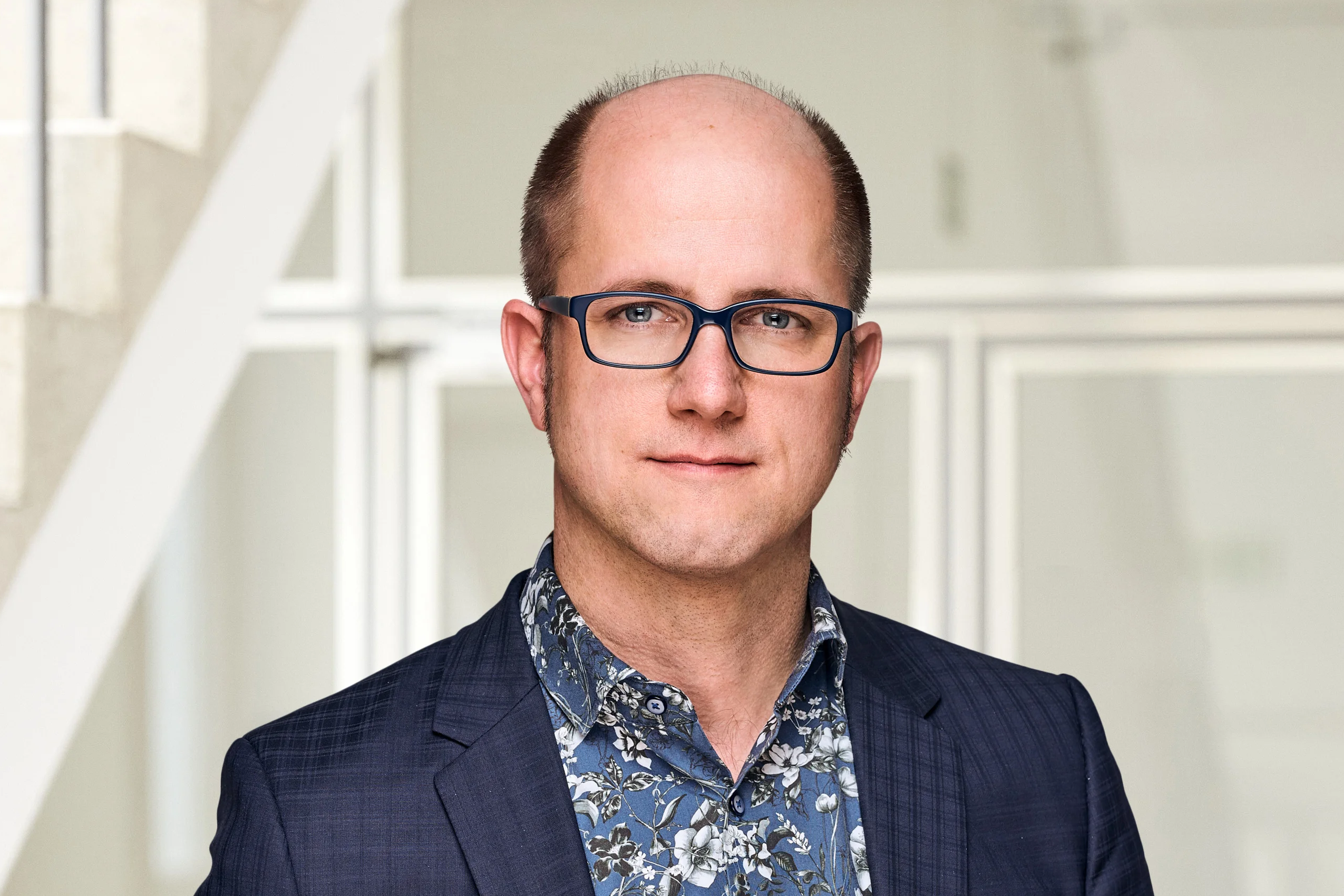
Hendrik Hakenes is Professor at the Institute of Finance and Statistics. His research focuses on green finance and responsible investment, corporate finance, bank stability and financial incentives such as bonus payments. His teaching includes Mathematics for Economists (B.Sc.), Innovation Economics (B.Sc.) and Corporate Finance (M.Sc.).

Anne Hannusch is Professor at the Institute for Macroeconomics and Econometrics and works on economic growth, family economics (fertility decisions and parental labour supply), and equality of opportunity. Her teaching includes Labor Markets and Population Economics (B.Sc.), Labor and Population Economics (M.Sc.) and Topics in Macroeconomics (M.Sc./Ph.D.).

Andreas Kleiner is Professor at the Institute for Microeconomics and a member of the Hausdorff Center for Mathematics. His research focuses on game theory, in particular mechanism design, collective decision-making (committees and voting) and political economy. His teaching includes Political Economy (B.Sc.) and Microeconomics (M.Sc.).

Sebastian Kube is Professor at the Institute for Applied Microeconomics and explores how incentives, social preferences and norms shape behaviour in economic and organisational environments. He frequently collaborates with researchers from psychology, neuroscience and political science. His teaching includes Introduction to Economics (B.Sc.), Experimental Economics (B.Sc.) and Environmental Economics (B.Sc.).

Dominik Liebl is Professor at the Institute of Finance and Statistics and a member of the Hausdorff Center for Mathematics. His research focuses on functional data analysis, nonparametric statistics, and panel models with time-varying parameters. Methods developed by him and collaborators also have applications in psychology, health science and neuroscience. His teaching includes Computational Statistics (B.Sc. and M.Sc.) and Econometrics (M.Sc.).

Hanna Schwank is Junior Professor of Economic History at the Institute for Applied Microeconomics. Her research lies at the intersection of labour economics and economic history, with a focus on how individuals and families respond to major economic and environmental shocks. Her work examines migration, labour market adjustment, gender inequality, intergenerational mobility, and the long-run consequences of natural disasters, using both contemporary and historical data. Her teaching includes Growth and Development Economics (M.Sc.).
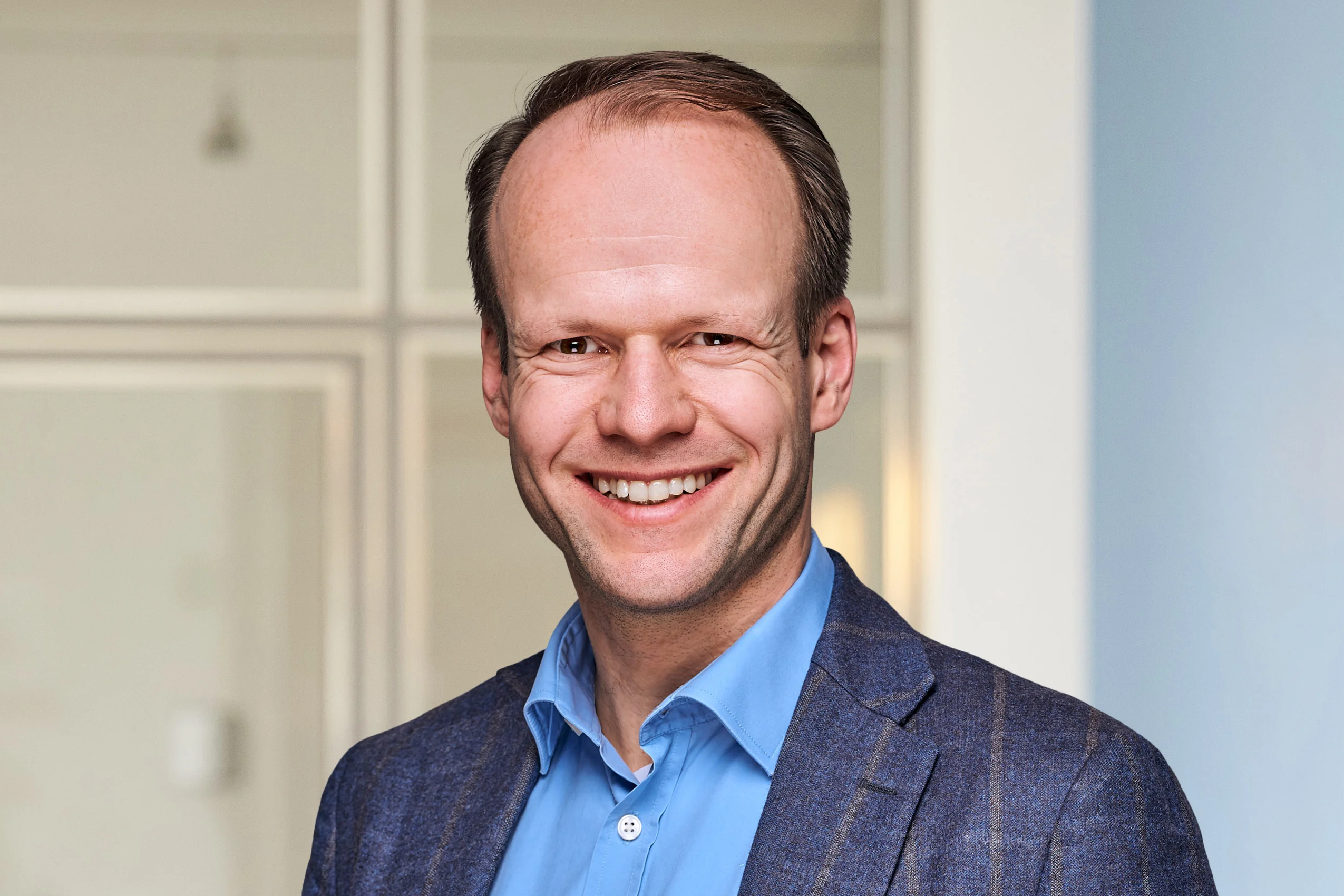
Hans-Martin von Gaudecker is Professor at the Institute for Applied Microeconomics and does research in labour economics, in household finance, on retirement decisions and on the impact of the COVID-19 pandemic. His teaching includes Applied Data Analysis (B.Sc.), Effective Programming Practices for Economists (M.Sc.) and Applied Microeconomics (M.Sc.).
Which questions does economics address?
Analysis of markets and public policy
Focus on market economies
With its emphasis on human behaviour, economics focuses on market economies. Only when individuals and the companies that they establish are free to choose between alternative uses of their time, talents and capital does it make sense to investigate the motives and incentives behind their actions.
This does not rule out also addressing questions of socialism versus capitalism in class – but the vast majority of economic research and teaching is concerned with market economies.
Markets, market failure and policy failure
An fundamental characteristic of markets is that they generate prices for the traded goods. And an absolutely fundamental characteristic of these prices is their role of signaling the relative scarcity of the traded resources and products. Prices thereby have the crucial role of providing incentives for economic actors, for instance, to acquire particular knowledge, to explore and develop new resources and to work in particular professions.
Of course, not all markets function equally well, and their outcomes may be more or less desirable. Much of economics is devoted to analysing the causes of market imperfections – also called partial market failure – and to identifying potential remedies. In some cases, markets may fail to exist altogether; economists then speak of complete market failure or missing markets. Market failure can arise from market power, barriers to entry, incomplete information or externalities, and it provides a rationale for public policy to step in.
At the same time, regulatory interventions can pose risks to well-functioning markets. Policy interventions – particularly direct price restrictions in the form of price floors or caps – may prevent prices from fulfilling their fundamental role of signalling relative scarcity. This, in turn, can distort incentives and lead to inefficient market outcomes.
The ubiquity of externalities
A major obstacle to the efficient functioning of markets is the presence of externalities. An externality arises whenever an action affects others without compensation being paid. Externalities, both positive and negative, are ubiquitous. Even sleeping in one’s own bed can generate a negative externality, if the sleeper’s snoring keeps someone else awake. At the same time, people continuously create positive externalities around the world by helping one another without demanding compensation. One might even argue that cooperating for the common good, and overcoming selfishness in the process, is the essence of civilisation and peaceful coexistence.
Externalities matter at the individual level and for economic activity at the societal level. Since externalities can accumulate, taking them into account is of first-order importance. Their relevance naturally varies across contexts. Examples of activities involving substantial externalities – and of selected policy remedies designed to “internalise” them – are:
- pollution in general, and greenhouse gas emissions in particular (motivating the creation of emissions trading systems);
- innovation and skill accumulation that lead to technological and knowledge spillovers which foster economic growth and prosperity (motivating publicly funded education and tax incentives for research and development);
- collaboration in teams;
- the effects of one country’s actions on the resources and prices faced by other countries (creating a role for international fiscal and monetary policy coordination);
- unpaid domestic care work, such as childcare and eldercare (creating a case for recognising care responsibilities in the design of social-security systems);
- the transmission of infectious diseases (with vaccinations serving as both preventive and rapid-response countermeasures); and
- network effects, for instance of social-media platforms.
What this means for studying economics
We take the focus on market economies as given. Questions of socialism versus capitalism do not play a major role in our curriculum.
We do, however, extensively cover the causes and consequences of imperfect markets, and we identify and discuss potential remedies. In particular, studying economics at the University of Bonn helps students understand the relevance of externalities and potential policy responses.
- An example from industrial organisation is granting time-limited patents to strike a balance between the private sector’s incentives to innovate and the society’s ability to benefit from technological progress as a whole.
- Examples from environmental economics include emissions trading systems and carbon taxes to curb greenhouse gas emissions.
At the same time, we closely examine in class how political interventions can adversely affect markets by distorting incentives and creating inefficiencies.
- An example are the potential negative consequences of government-imposed price restrictions such as minimum wages, rent control and caps on energy prices.
How the University of Bonn brings this to life

Clara Brandi is Professor in International Economics / Development Economics and Head of the Department Transformation of Economic and Social Systems at the German Institute of Development and Sustainability (IDOS). Her research focuses on international economics, development economics and environmental economics, with an emphasis on international trade and climate change.

Thomas Hintermaier is Professor at the Institute for Macroeconomics and Econometrics. His research examines household finance across the euro area and its implications for monetary policy transmission, including work on household debt and crises of confidence. His teaching includes Macroeconomics I (B.Sc.) and Topics in Macroeconomics and Public Economics (M.Sc./Ph.D.).

Eva Hoppe-Fischer is Professor at the Institute for Applied Microeconomics and combines contract theory, behavioural economics and experimental economics to investigate how incomplete information and social preferences influence contracting, incentives for innovation, and principal–agent interactions. Her teaching includes Economic Incentives and Institutions (B.Sc.), Institutional Economics (M.Sc.) and Organizational Economics (M.Sc.).

Stefanie Huber is Associate Professor at the Institute of Finance and Statistics. She specialises in behavioural macroeconomics and finance, with a focus on housing markets and the macroeconomic effects of disinformation. Her teaching includes Behavioral Finance (B.Sc.) and Household Finance (M.Sc.)

Botond Kőszegi is Professor at the Institute for Applied Microeconomics and conducts research in behavioural economic theory. In his recent work, he has examined how procrastination, limited attention and the desire to save resources by purchasing used goods shape consumer behaviour, and how regulation may improve economic outcomes. His teaching includes Behavioral Economics (B.Sc.).

Keith Küster is Professor at the Institute for Macroeconomics and Econometrics. In his recent research, he examines the distributional implications of stabilisation policies implemented by central banks and fiscal authorities. A key dimension of this work is the analysis of stabilisation efforts in the context of the European (Monetary) Union, where differences in exchange rate regimes and fiscal rules play an important role. His teaching includes Monetary Policy (B.Sc.), Monetary Economics (M.Sc.) and Macroeconomics (M.Sc./Ph.D.).

Julia Mink is Argelander Junior Professor of Environmental Economics, Sustainability and Inequality at the Institute for Applied Microeconomics. She primarily works on environmental and health economics, using quasi-experimental methods and analysing large spatiotemporal administrative and survey data. Her teaching includes Introduction to Econometrics (B.Sc.), Public Economics (M.Sc.) and Environmental Economics (M.Sc./Ph.D.).

Farzad Saidi is Professor at the Institute of Finance and Statistics and works at the intersection of financial institutions and the real economy, with a focus on financial regulation, monetary policy and the link between financial and labour markets. He has also investigated how social preferences shaped humans’ responses to the COVID pandemic. His teaching includes Financial Markets and Institutions (B.Sc.).

Jing Zeng is Associate Professor at the Institute of Finance and Statistics. In her research, she focuses on financial intermediation and corporate finance. Her teaching includes Advanced Corporate Finance (B.Sc.) and Applied Corporate Finance (M.Sc.).
Which tools does economics use?
In addition to verbal arguments, economics relies heavily on diagrams and formal mathematical methods to analyse human behaviour and economic systems. There are several reasons for this:
Reason no. 1: Quantitative questions
Many questions in economics are of a quantitative nature. For instance, a government considering a change in tax rates will not only want to know whether tax revenues will go up or down in response to the envisioned change but also how much they will rise or decline. Similarly, a government that contemplates subsidising renewable energies will want to know how much energy production will change, because large changes may require investments into the power grid and other infrastructure.
Quantitative assessments are also key in the private sector. Any insurance company, for example, has to forecast both the magnitude and likelihood of claims to determine which policies it offers.
The inherently quantitative nature of many questions faced by economic actors and regulators is the first reason why economics relies strongly on formal mathematical models.[1]
[1] Joseph Schumpeter (“The Common Sense of Econometrics”, Econometrica 1, no. 1, 1933: 5–12) considers economics as “the quantitative science” due to the very nature of its object of analysis: “There is … one sense in which economics is the most quantitative, not only of ‘social’ or ‘moral’ sciences, but of all sciences, physics not excluded. … Some of the most fundamental economic facts … present themselves to our observation as quantities made numerical by life itself. They carry meaning only by virtue of their numerical character. There would be movement even if we were unable to turn it into measurable quantity, but there cannot be prices independent of the numerical expression of every one of them, and of definite numerical relations among all of them.”
Reason no. 2: Empirical analysis
A second benefit of mathematical modelling is the ability to confront theoretical predictions with real-world data. Empirically testing theoretical predictions makes it necessary to collect data and calculate indicators of economic activity. Examples are a country’s gross domestic product (GDP), its trade balance, its inflation rate, its wage distribution and its unemployment rate. This requires precise definitions of how the respective indicators are constructed and how they relate to the theoretical quantities. Both necessitate the use of mathematics.
To assess the descriptive accuracy of theoretical models, economists employ a wide array of statistical methods to analyse empirical data. This branch of economics is called econometrics.[2] Moreover, to establish causality between variables of interest, economists exploit natural experiments and quasi-experimental settings, which requires the use of advanced statistical methods. In addition to the analysis of field data, economists conduct randomised controlled trials (RCTs) in the form of lab, online, survey and field experiments. Experiments, of course, also rely on theory-driven hypothesising and on statistical analysis.
[2] Econometrics is the derivation of statistical models from sufficiently detailed theoretical models of economic phenomena and the application of these statistical models to suitable empirical data. See also Paul A. Samuelson, Tjalling C. Koopmans and John R. N. Stone (“Report of the Evaluative Committee for Econometrica”, Econometrica 22, no. 2, 1954: 141–146): “In these terms econometrics may be defined as the quantitative analysis of actual economic phenomena based on the concurrent development of theory and observation, related by appropriate methods of inference.”
Reason no. 3: Transparent modelling of restrictions, incentives and interdependencies between markets
The third reason why formal mathematical modelling plays an important role in economics has two components:
- All economic decisions are made subject to restrictions – be it available physical resources, monetary budgets, time budgets or incomplete information.
- Many questions in economics require the simultaneous analysis of multiple markets. The method most commonly used for this purpose is general-equilibrium analysis.
As an illustration of the two components, consider a change in a country’s tax system. Such a change will not only influence the country’s tax revenues but also its creditworthiness and its government’s capacity to fund projects. As far as economic activity is concerned, the change in the tax system will influence the markets for both taxed and untaxed products. On the taxpayers’ side, it will alter their disposable income. Consequently, a change in the tax system shapes both labour supply and labour demand and, not least, investment opportunities. In short, the economy as a whole is impacted.
Meaningful economic analysis has to take such interdependencies between markets as well as between private and government activity into account. Obviously, it should do so in a manner that avoids contradictions and omissions. Using the language of mathematics helps us achieve exactly that. Economic analysis thereby specifies as clearly as possible the constraints that actors face and the incentives under which they operate.
Reason no. 4: Analysing strategic interaction
The fourth reason for the use of formal mathematical methods is the modelling of strategic interaction between individual economic agents. This branch of decision analysis is called game theory. (A pioneer in this field was Nobel laureate Reinhard Selten, a long-standing member of the Department of Economics at the University of Bonn.)
The agents under consideration can be coworkers, politicians competing for votes, companies, entire countries, labour unions or any other type of organisation. Strategic interaction arises, for instance, in settings where a limited number of agents competes for an exclusive opportunity (e.g., job promotions or spectrum auctions), where agents with only partially aligned interests interact (classical principal–agent problems, e.g., employer–employee or patient–clinician relationships), and where agents need to cooperate to achieve collective benefits in the presence of externalities (e.g., team production, pollution and greenhouse gas emissions).
What this means for studying economics
The focus on formal, contradiction-free modelling provides thorough training in rigorous analytical thinking. Importantly, economics is not merely about performing calculations; it is just as much about describing and explaining in words what the relevant mathematical expressions mean. Economists use language, diagrams and mathematics to communicate their concepts and arguments.
The training in analytical thinking helps you to not only understand but also critically assess statements by fellow economists, journalists, politicians and lobbyists. As one of our professors, Christian Bayer, puts it: “Studying economics is getting a degree in bullshit detection.”
Put less provocatively, studying economics helps you uncover hidden assumptions and identify inconsistencies in people’s statements. It also helps you bring to light probable unintended consequences of propsed policy interventions.
Classical examples of hidden assumptions and inconsistencies that can be observed in debates about economic policy are
- neglect of budget restrictions (e.g., the pension system’s budget restriction when discussing the appropriate age of retirement and level of retirement benefits, or the government’s intertemporal budget restriction when discussing tax cuts);
- confusion of partial-equilibrium and general-equilibrium outcomes, that is, failure to take interdependencies and feedback effects into account (e.g., when discussing the effects of migration on labour markets);
- confusion of nominal and real quantities (e.g., when discussing minimum wages);
- misidentification of incentives and neglect of opportunity costs (e.g., when discussing rent control or opportunities to save energy in the housing sector);
- erroneous zero-sum thinking (e.g., when discussing the benefits and drawbacks of foreign trade or of migration).
How the University of Bonn brings this to life

Sarah Auster is Professor at the Institute for Microeconomics and works on decision theory, information economics and bounded rationality. Her teaching includes Game Theory (B.Sc.) and Bounded Rationality (B.Sc.).

Christoph Breunig is Professor at the Institute of Finance and Statistics and a member of the Hausdorff Center for Mathematics. He specializes in econometrics, developing quantitative tools and statistical methods for correlational and causal analyses, with a focus on nonparametric and semiparametric statistics. His teaching includes Microeconometrics (M.Sc.).

Francesc Dilmé is Professor at the Institute for Microeconomics and a member of the Hausdorff Center for Mathematics. He works on microeconomic theory, with a focus on dynamic games, bargaining, strategic stability, and cheap talk. His teaching includes Mathematics for Economists (M.Sc.) and Topics in Microeconomic Theory (M.Sc./Ph.D.).

Joachim Freyberger is Professor at the Institute of Finance and Statistics and a member of the Hausdorff Center for Mathematics. He does research in econometrics on both parametric and nonparametric methods, with applications to product demand, panel data, and skill formation. His teaching includes Econometrics (B.Sc.) and Econometrics (M.Sc./Ph.D.).

Lorens Imhof is Professor at the Institute for Finance and Statistics and a member of the Hausdorff Center for Mathematics. His research is mainly on evolutionary game theory which links non-cooperative games and population dynamics, and on optimal design of experiments for nonlinear and heteroskedastic models. His teaching includes Statistics (B.Sc.) and Multivariate Statistics (B.Sc.).

Alois Kneip is Professor at the Institute of Finance and Statistics. He works primarily on functional data analysis und on aggregation theory. His teaching includes Statistics (B.Sc.) and Econometric Theory (M.Sc./Ph.D.)

Daniel Krähmer is Professor at the Institute for Microeconomics and a member of the Hausdorff Center for Mathematics. His research lies in information economics and game theory, particularly mechanism and information design, contract theory and industrial organisation. His teaching includes Mathematical Methods of Economics II (B.Sc.), Contract Theory (B.Sc.), Behavioural Economics (M.Sc./Ph.D.) and Topics in Microeconomic Theory (M.Sc./Ph.D.).
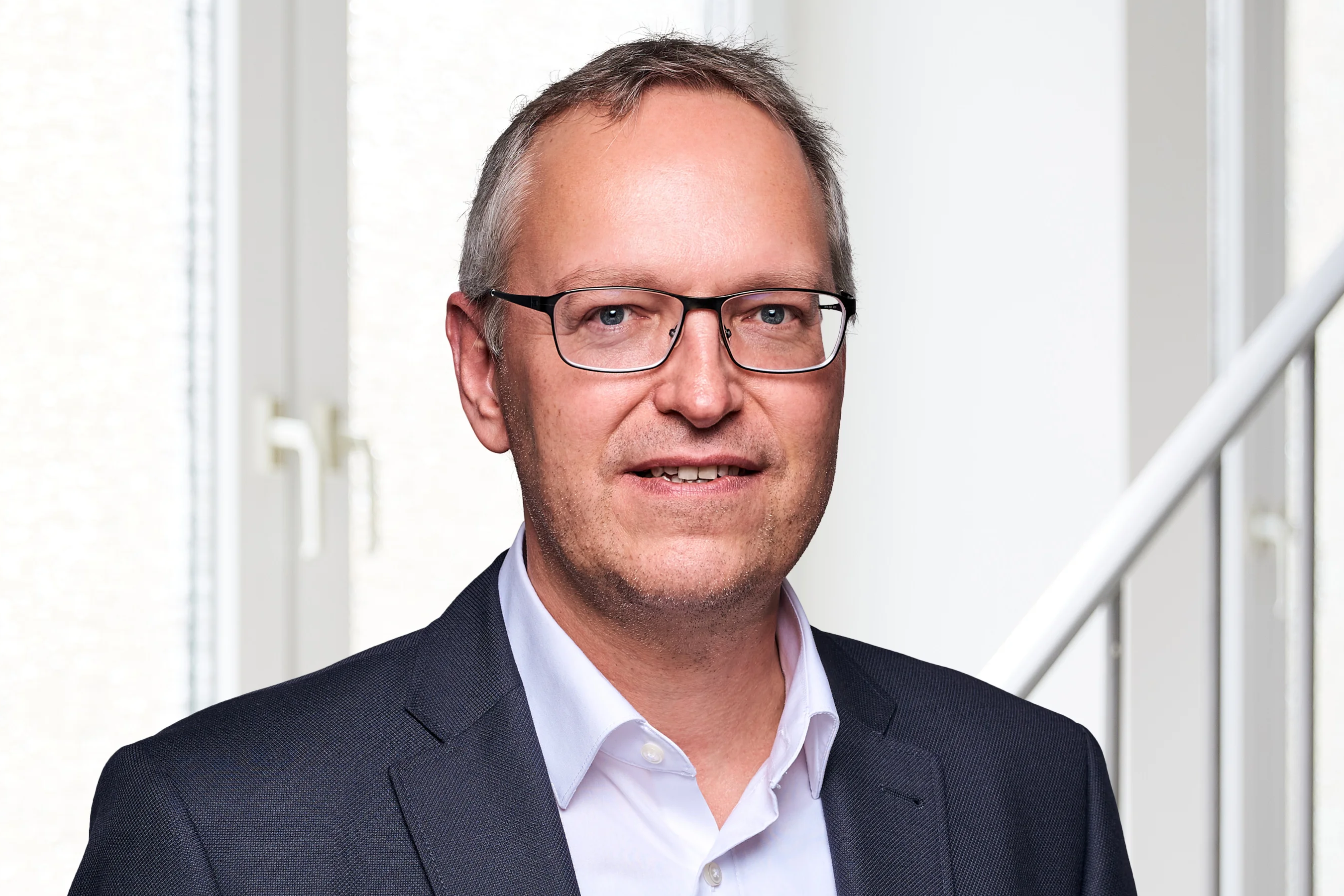
Matthias Kräkel is Professor at the Institute for Applied Microeconomics and analyses incentive mechanisms within firms and organisations. His teaching includes Organisation and Management (B.Sc.) and Personnel Economics (M.Sc.).
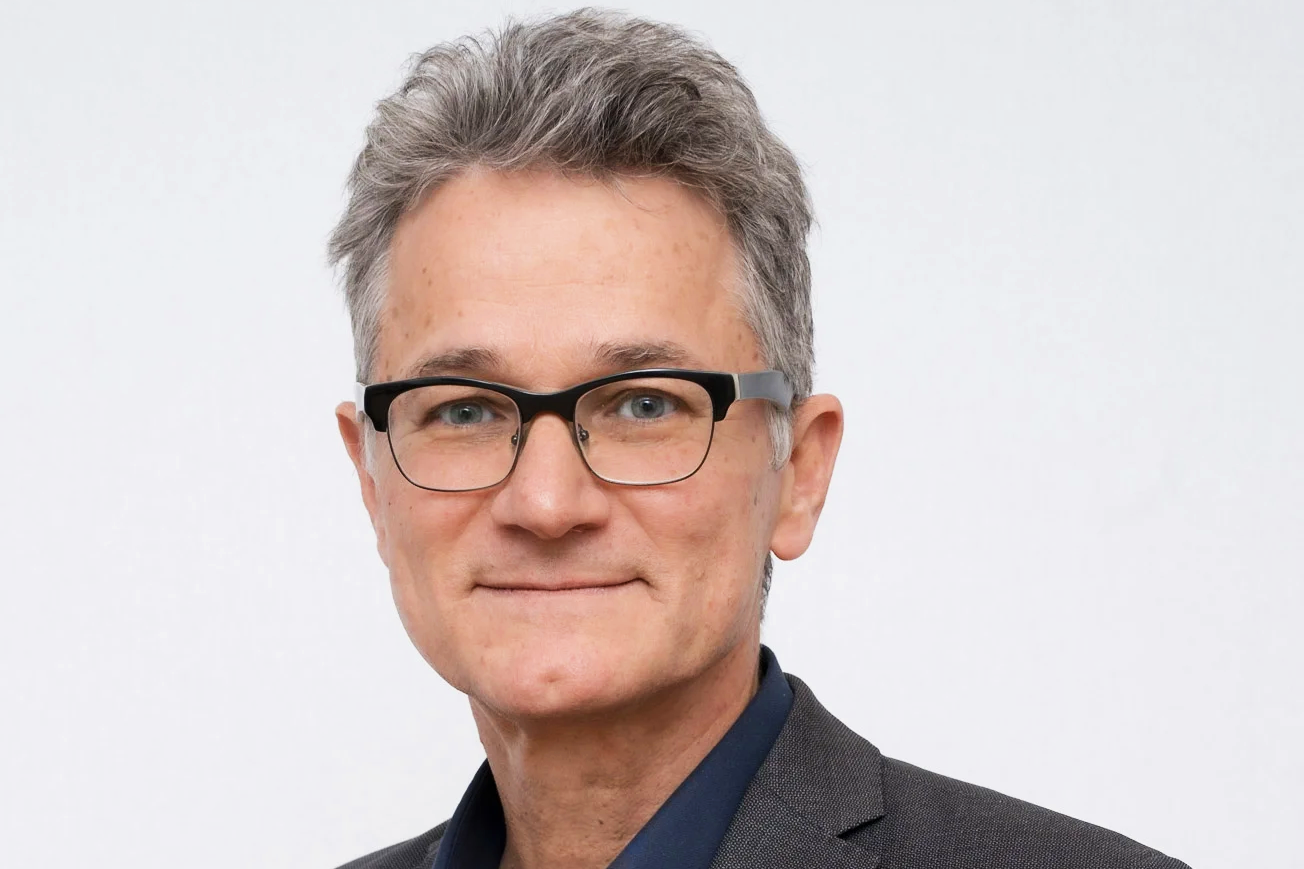
Sven Rady is Professor at the Institute for Microeconomics and a member of the Hausdorff Center for Mathematics. His research is concerned with the dynamics of individual decisions and the resulting equilibrium processes when economic agents are uncertain about the environment in which they operate and can learn about it over time. His teaching includes Dynamic Methods and Applications (M.Sc./Ph.D.).

Dezső Szalay is Professor at the Institute for Microeconomics and a member of the Hausdorff Center for Mathematics. He does research on contract theory, information economics, financial contracting and industrial organisation. His teaching includes Game Theory (B.Sc.), Microeconomics (M.Sc.) and Economics of Contracts and Information (M.Sc./Ph.D.)

Tymon Tatur is Professor at the Institute for Microeconomics and his research interests lie in economic theory and game theory. His recent works focus on bargaining norms for coalition games and exploring which norms are sustainable at minimal societal costs. His teaching includes Microeconomics (B.Sc.) and Game Theory (M.Sc./Ph.D.).

Mengxi Zhang is Professor at the Institute for Microeconomics and a member of the Hausdorff Center for Mathematics. Her research focuses on mechanism design and contest theory. Her teaching includes Mechanism Design and Social Choice (M.Sc.), Industrial Organization (M.Sc.) and Microeconomics (M.Sc.).
How does economics contribute to society?
Positive economics
One part of economic analysis concerns the – judgement-free – analysis of the consequences of decisions of economic actors. This branch of economics is often called positive economics or descriptive economics. It might, for instance, attempt to answer the question “What happens/will happen to wages, employment and product prices if the minimum wage is increased by 10%?” An important aspect in this endeavour is identifying situations in which individual incentives and the promotion of social welfare are misaligned.
Normative economics
Deeply interwoven with the descriptive analysis is a second branch of economic analysis that is often called normative economics. Normative economics investigates the conditions under which domestic and international markets work well, and it reflects on the question whether regulation is indicated to improve their functioning. Example questions are:
- “Does it make sense to tax emissions? And if so, what is an appropriate tax rate?”
- “Under which circumstances does a minimum wage make sense?”
- “How should we design social-security systems in view of their insurance function and incentive effects?”
- “Do we need mandatory health insurance?”
- “Should we subsidize particular sectors of our economy and levy tariffs on imported goods?”
- “Should we manage the economy via fiscal and/or monetary policy?”
- “Should we regulate financial markets?”
- “Should central banks be independent of the government?”
Informing democratic decision-making
Not only normative economics but also positive economics provides important input to shaping political views and democratic decision-making. It enables us to assess, ex ante, whether a proposed policy is likely to achieve its intended effects – regardless of whether we endorse the intention – and to evaluate, ex post, whether a policy has delivered on what policy-makers promised. More broadly, studying economics equips you to assess evidence and to formulate as well as evaluate justifications for political positions. It also fosters an appreciation of the value of reliable data for evidence-based policy-making and democratic decision-making, thereby underscoring the importance of statistical authorities that operate free from governmental interference.
What this means for studying economics
Both branches of economics are covered in detail in the M.Sc. programme in economics at the University of Bonn. The foundations for addressing questions like the ones above are taught in introductory classes. Policy responses are motivated, modelled and evaluated – on theoretical grounds and through empirical analysis – in advanced classes, for instance, on macroeconomics, monetary economics, public economics, industrial organisation, environmental economics, labour economics, (behavioural) finance, and development and growth.How the University of Bonn brings this to life
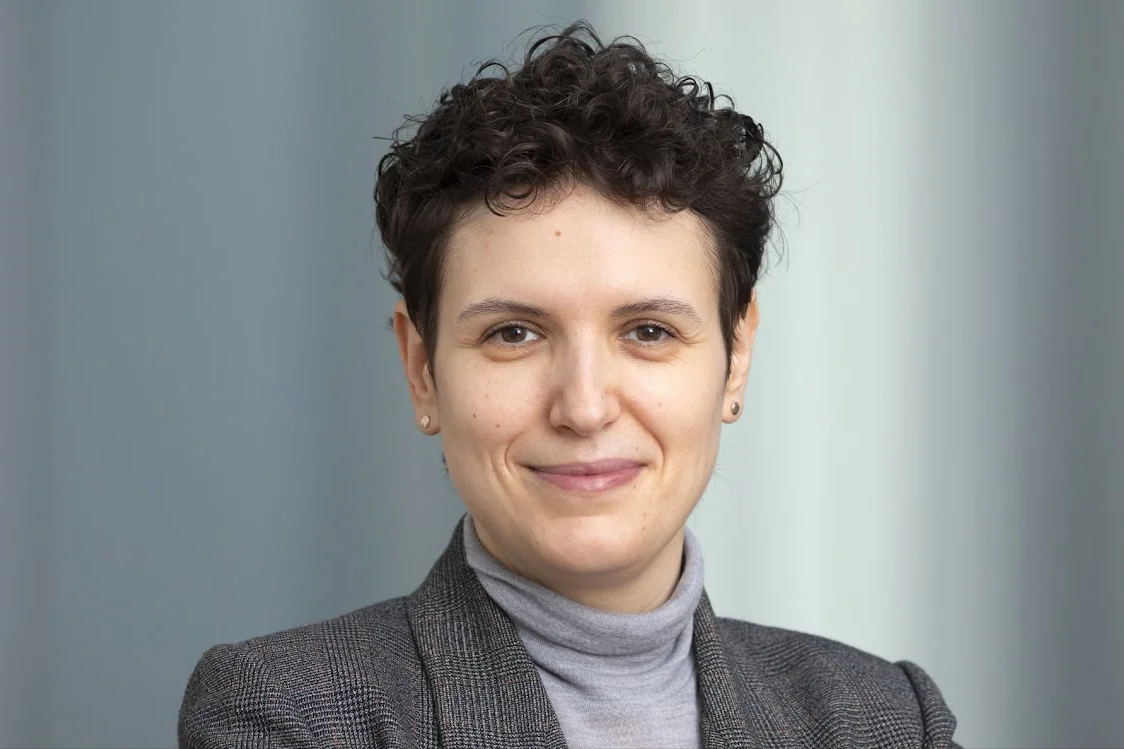
Olga Balakina is Professor at the Institute of Finance and Statistics. Her research centres on household and social finance, examining how peer networks, cultural context, and institutional design shape the financial decisions that individuals make when investing, saving and consuming. Together with colleagues at the University of Lund, she has developed a course in financial literacy targeted towards immigrants. Her teaching includes Banking and Securitization (M.Sc./Ph.D.).

Christian Bayer is Professor at the Institute for Macroeconomics and Econometrics and a member of the Hausdorff Center for Mathematics. Using dynamic stochastic general-equilibrium (DSGE) models, he investigatesbreuni how heterogenous agents respond to macroeconomic shocks, with a focus on financial frictions, inequality, and energy supply and demand. His teaching includes Macroeconomics (M.Sc.) and Topics in Macroeconomics and Public Economics (M.Sc.).

Teodora Boneva is Professor at the Institute for Applied Microeconomics and works primarily on education and labour economics, using intervention studies and large-scale surveys to investigate topics such as social mobility and support for climate action. Her teaching includes Using Data to Address Societal Challenges (B.Sc.) and Topics in Management and Applied Microeconomics (M.Sc./Ph.D.).
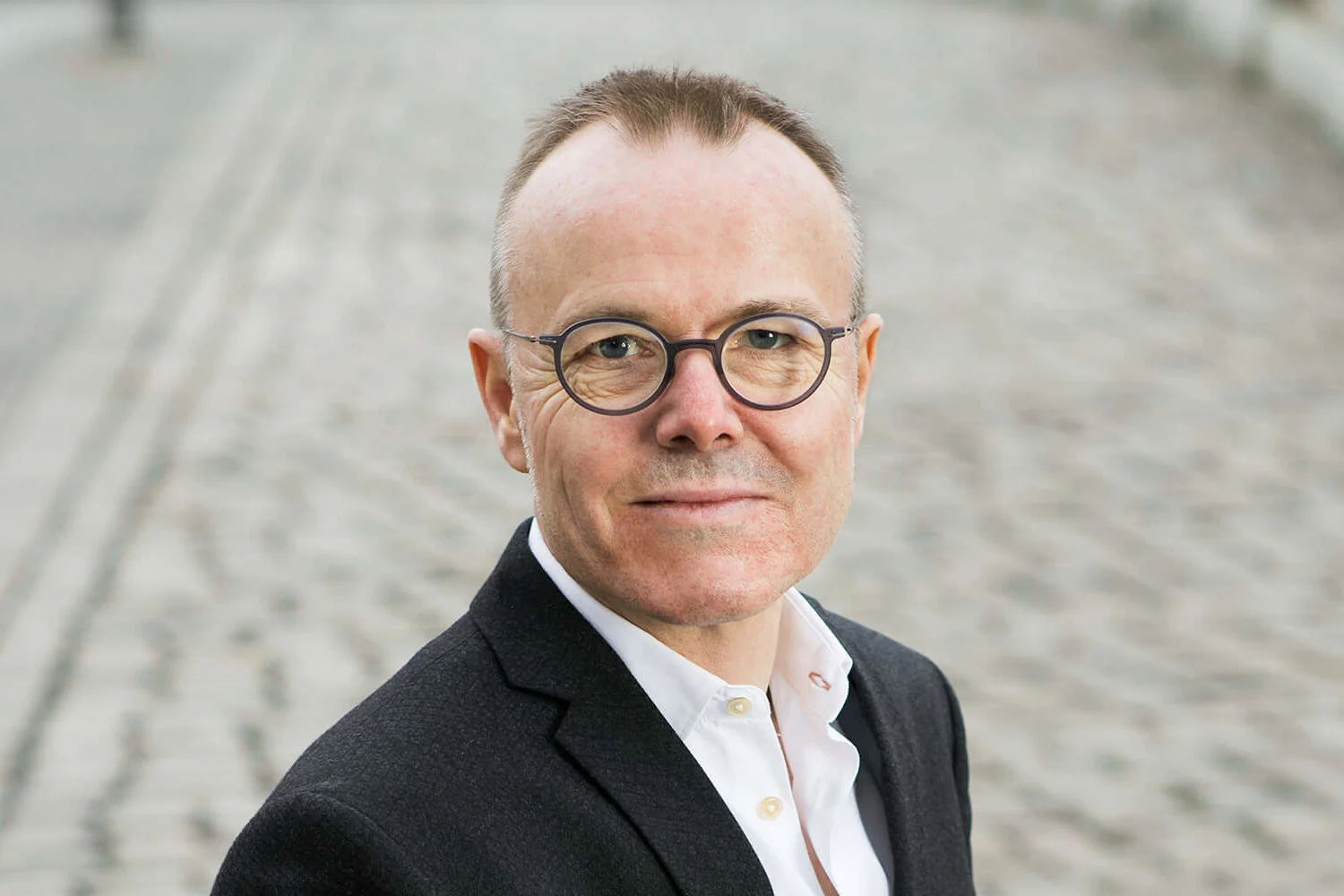
Armin Falk is Professor at the Institute for Applied Microeconomics and specializes in behavioural and experimental economics with a focus on the determinants of economic preferences, skills, and support for fighting climate change. He uses lab and online experiments as well as large-scale surveys and behavioural interventions to inform policy-making on education as well as climate action, and he frequently collaborates with researchers from psychology, medicine, and neuroscience.

Zainab Iftikhar is Associate Professor and does research on migration, family economics, and development and growth. For instance, she has analysed the macroeconomic, general-equilibrium effects of immigration to Germany, with a particular focus on the influx of refugees between 2012 and 2017. Her teaching includes Macroeconomics (M.Sc.), Topics in Macroeconomics and Public Economics (M.Sc./Ph.D.), and International Economics and Finance (M.Sc.).

Zwetelina Iliewa is Junior Professor at the Institute for Finance and Statistics and does research in the fields of decision theory, behavioural finance and experimental economics. Her teaching includes Behavioral Finance (B.Sc.) and Topics in Financial Economics: Cognitive Foundations (M.Sc./Ph.D.).
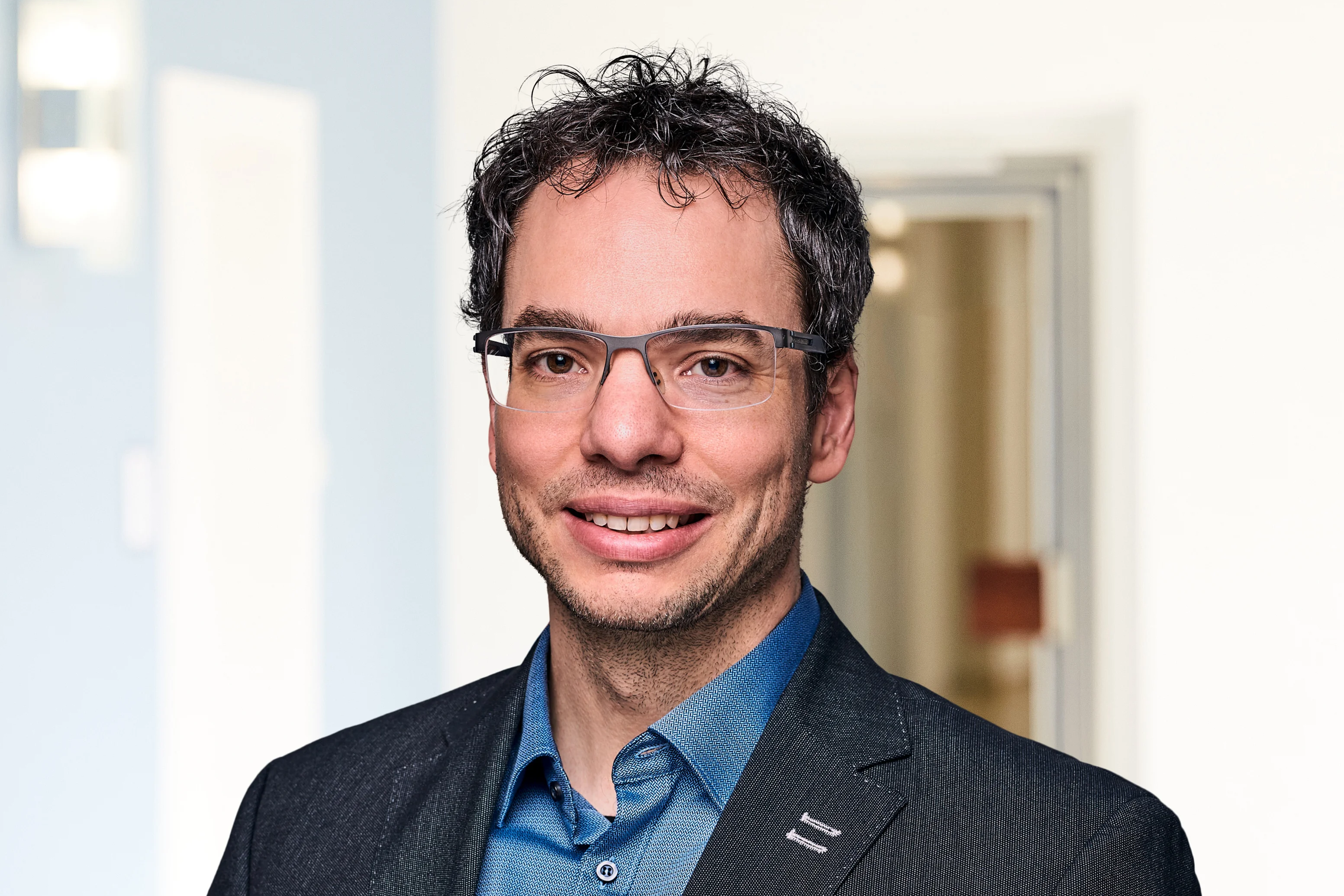
Stephan Lauermann is Professor at the Institute for Microeconomics and a member of the Hausdorff Center for Mathematics. He does research mainly on strategic interactions and explores the ability of institutions, in particular markets and elections, to aggregate information that is dispersed among many agents. His teaching includes Microeconomics II (B.Sc.) and the Research Module in Microeconomic Theory (M.Sc.).

Benny Moldovanu is Professor at the Institute for Microeconomics and a member of the Hausdorff Center for Mathematics. His research focuses on applying game theory and information economics to auctions, mechanism design, contests and matching, and voting. He has repeatedly consulted governments and large firms in the area of auction design and strategy. His teaching includes Current Topics in Economics (B.Sc.) and Microeconomics II (M.Sc./Ph.D.).

Claudia Noack is Junior Professor at the Institute of Finance and Statistics and does research on causal inference and nonparametric econometrics, in particular on regression discontinuity designs. Her teaching includes Causal Inference (B.Sc.) and Topics in Econometrics and Statistics (M.Sc.). Her course on causal inference introduces important theoretical concepts and applies them in analyses of real-world datasets, primarily using open-source tools like Python and R.

Amelie Schiprowski is Professor at the Institute for Applied Microeconomics and does research primarily in labour economics, while also engaging with questions in public and organisational economics. She has investigated, for instance, how characteristics of unemployment insurance influence job search and re-employment outcomes. Her teaching includes Labor Economics (M.Sc.).

Adam Hal Spencer is Junior Professor at the Institute for Macroeconomics and Econometrics and does research on international trade and foreign direct investment as well as innovation policy and economic growth. His teaching includes International Economics (B.Sc.) and Dynamic Macroeconomics (M.Sc.).

Jonas von Wangenheim is Junior Professor at the Institute for Microeconomics and does research in particular on behavioural industrial organisation, market design and consumer protection policies. His teaching includes Auctions and Markets (B.Sc.) and Industrial Organization (B.Sc.).
How do economists collaborate across disciplines?
Collaboration with neighbouring disciplines
To advance their methodological toolkit, researchers at the Department of Economics work with scholars from other quantitative disciplines, including
- mathematics,
- statistics and data science, and
- computer science.
In addition, reflecting the fact that economics is a social science, economists at our department collaborate with researchers from a wide range of related fields, such as
- business administration,
- history,
- political science,
- law,
- social and cognitive psychology, and
- neuroscience.
Two prominent examples: formation of beliefs and preferences
A core field of economic research in which insights from neighbouring disciplines are highly relevant is belief formation, often also referred to as expectations formation. Beliefs constitute a third central economic concept alongside preferences and restrictions. They describe the mental models economic actors hold about how the world works.
Beliefs are relevant whenever individuals – or firms or governments – interact with others and whenever uncertain future outcomes matter. In strategic interactions, one needs to anticipate what an opponent, collaborator or competitor will do. And in decisions involving future consequences, individuals must form expectations about the likelihood of different possible outcomes.
The latter category includes not only saving and investment decisions, but also choices related to education and health. In all these cases, individuals must form beliefs about how the probability of future outcomes depends on actions taken today. For example:
- “If I start saving and investing €10 per day now, how likely is it that I will enter retirement with at least €150,000 in my account?”
- “How much does my expected wage change if I study chemical engineering rather than economics?”
- “If my company spends an additional €5 million on research and development now, by how much can we expect profit to increase over the next 10 years?”
- “How do my food choices affect my likelihood of remaining healthy or developing cardiovascular disease?”
- “Should I allow my child to spend the next 30 minutes browsing social media rather than preparing for an upcoming exam?”
Economists studying how people form such expectations often draw on insights from psychology, sociology and political science, in particular regarding
- cognitive limitations and imperfect memory,
- the allocation of attention (see, for instance, the “rational inattention” approach in macroeconomics, pioneered by Nobel laureate Christopher Sims),
- the informational environment and
- emotional influences.
Similarly, research on preferences frequently incorporates insights from psychology, especially when it comes to how preferences are shaped or revised. Prominent examples include
- other-regarding preferences,
- social comparisons and attitudes towards inequality,
- preferences over uncertain outcomes, such as ambiguity aversion and loss aversion, as well as
- intertemporal preferences, where psychological concepts such as habituation and limited self-control as a source of present bias help explain patterns in human decision-making.
What this means for studying economics
Economics students at the University of Bonn are given the opportunity and encouraged to prepare themselves for interdisciplinary collaboration by integrating courses from other disciplines into their curricula.How the University of Bonn brings this to life

Florian Brandl is Argelander Professor at the Institute for Microeconomics and the Hausdorff Center for Mathematics. He obtained a Ph.D. in mathematics and does research on game theory, fair division, dynamic decision problems and collective choice. His teaching includes Decision Theory (M.Sc.).
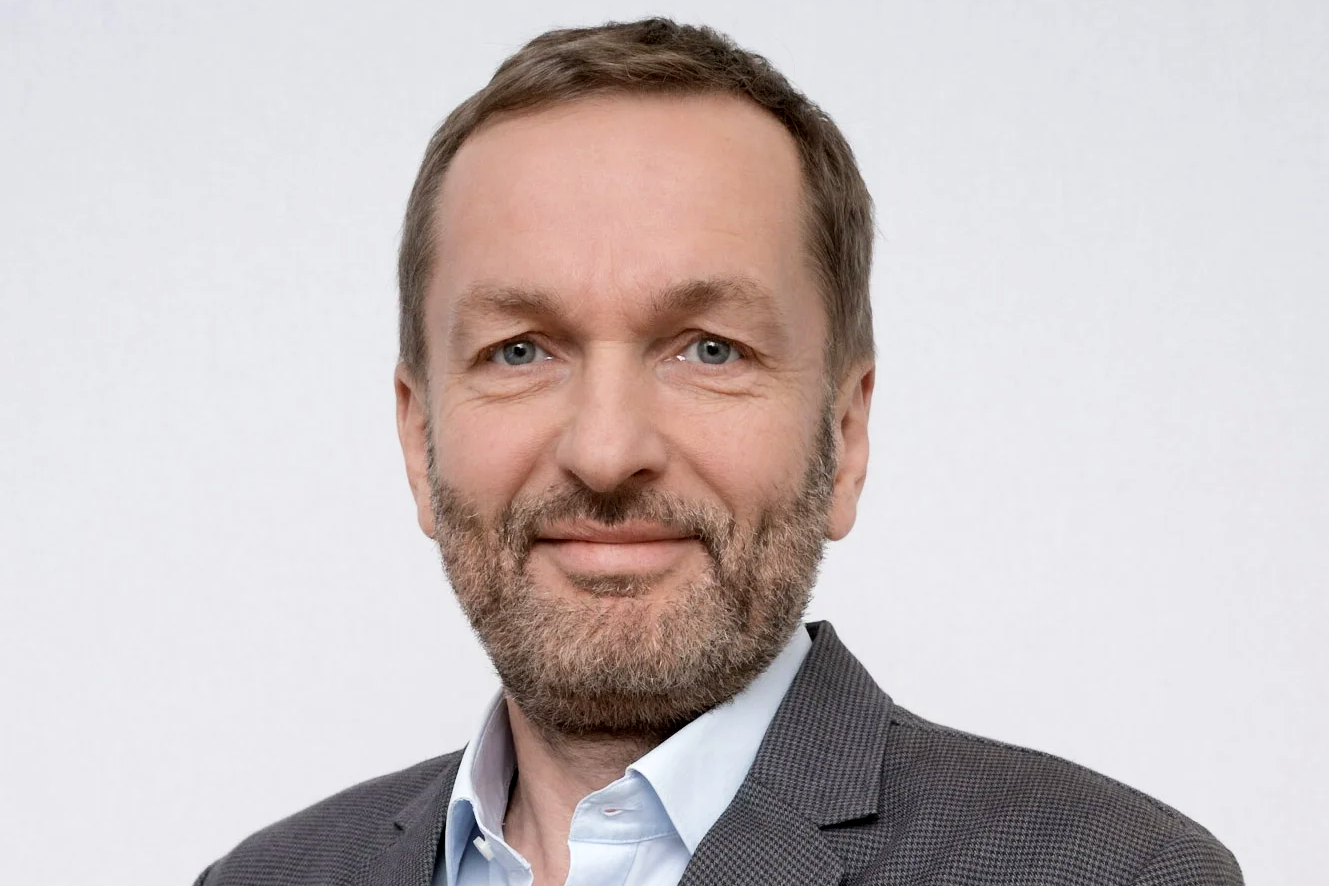
Jörg Budde is Professor at the Institute for Applied Microeconomics. His research focuses on managerial accounting, performance measurement and incentive contracts. His teaching includes Cost Management and Cost Accounting (B.Sc.), Finance II (Finacial Accounting, B.Sc.) and Managerial Accounting (M.Sc.).

Thomas Dohmen is Professor at the Institute for Applied Microeconomics. His research lies at the intersection of behavioural and experimental economics, labour economics, and applied microeconometrics. A central focus of his work is examining how preferences, personality, and cognitive and noncognitive skills develop over the life course, and how they shape economic and other life outcomes. His research frequently involves collaborations with researchers from psychology, neuroscience, sociology and related fields. His teaching includes Topics in Management and Applied Microeconomics (M.Sc.) and the Research Module in Management and Applied Microeconomics (M.Sc.).
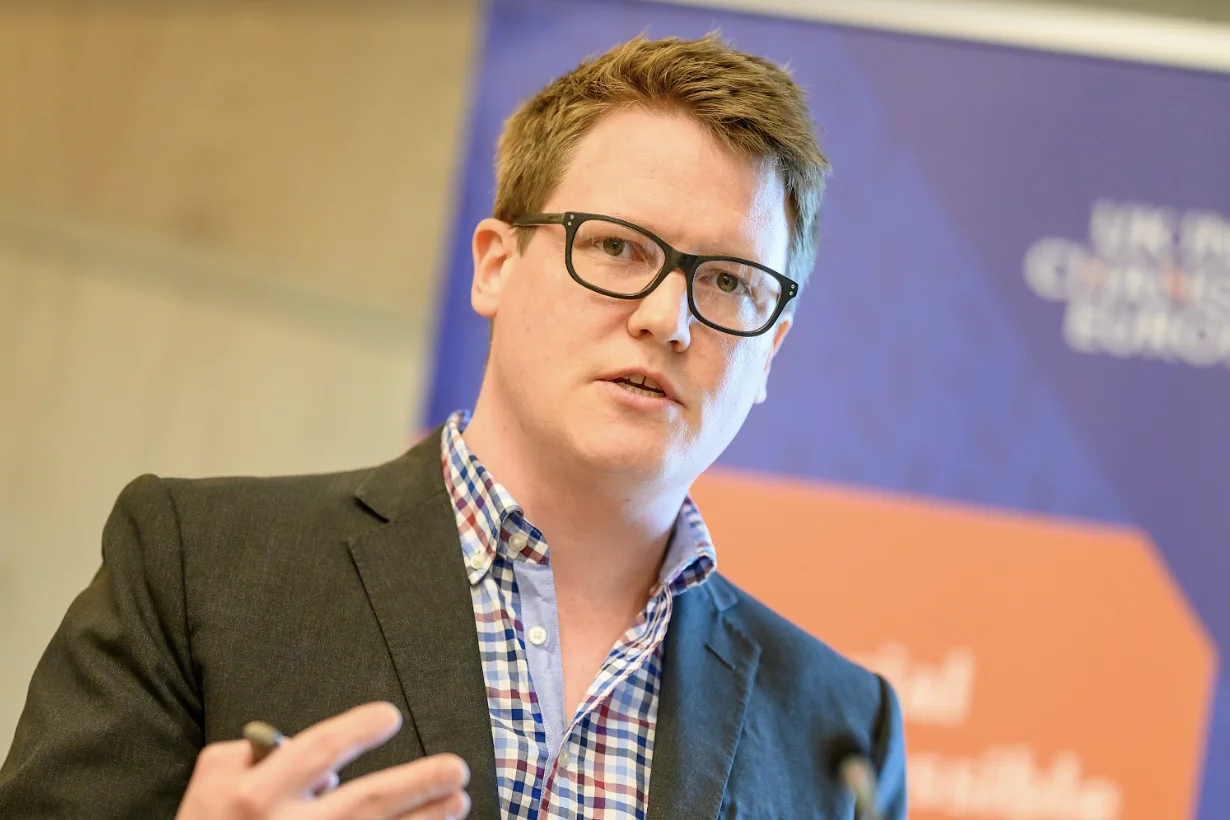
Thiemo Fetzer is Professor at the University of Warwick and the Institute for Applied Microeconomics at the University of Bonn. His research combines applied economics, political economy, development, trade and empirical macroeconomics with frontier methods from computer science, such as machine learning, artificial intelligence and natural-language processing. He uses large language models to construct production networks, map causal claims and develop AI-assisted measurement pipelines for policy-relevant research on trade and industrial policy. His teaching includes the Research Module in Management and Applied Microeconomics (M.Sc.), with a focus on incorporating AI into economic analysis.

Svenja Hippel is Junior Professor for Law and Economics at the Center for Advanced Studies in Law and Economics (CASTLE) at the Department of Law. In her research, she uses experiments to investigate how concepts that are central in both law and economics, such as contracts and penalties, shape human behaviour. Her teaching includes “Rechtsökonomie” and “Verbraucherschutz und Ökonomie”.

Tomáš Jagelka is Professor at the Institute for Applied Microeconomics. His research spans applied microeconometrics, behavioural and experimental economics, labour economics, and health economics. His current, ERC-supported work investigates preferences, skills and other personal attributes, which are fundamental drivers of success in various life domains. He uses an interdisciplinary approach that combines structural econometrics and reduced-form methods applied to surveys, experiments and observational data. His teaching includes Academic Writing (B.Sc.) and Topics in Management and Applied Microeconomics (M.Sc.) with a focus on preferences, skills and other latent personal attributes.
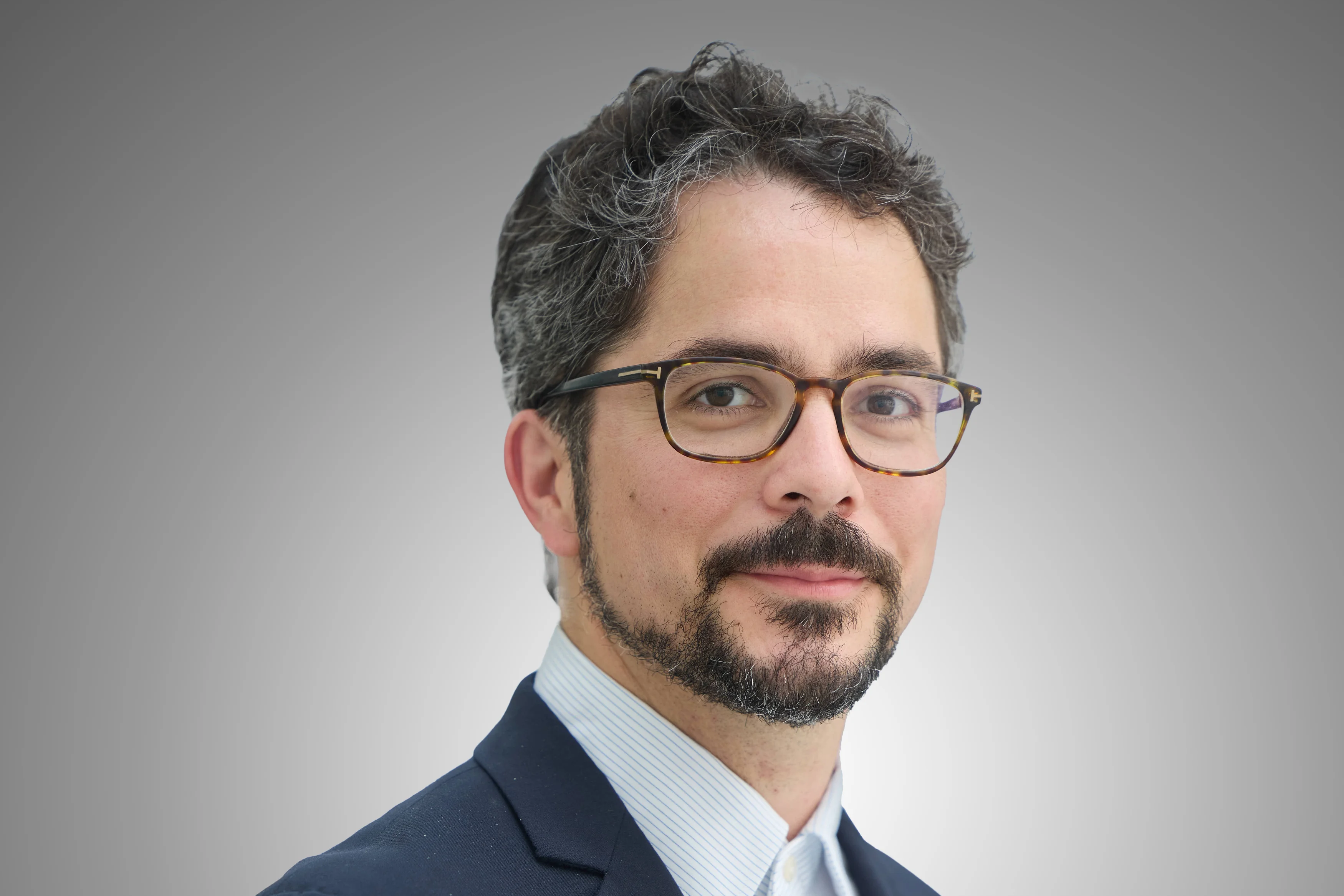
László Végh is László Végh is Hertz Professor for Algorithms and Optimization in the Transdisciplinary Research Area Modelling: Mathematics, Modelling and Simulation of Complex Systems. He is affiliated with the Research Institute for Discrete Mathematics, the Department of Computer Science and the Department of Economics. He obtained his Ph.D. in mathematics, and his research interests include computational questions arising in game theory, market equilibrium computation and fair division. His teaching includes Algorithmic Game Theory (B.Sc.).

Florian Zimmermann is Professor at the Institute for Applied Microeconomics and does research mainly in experimental and behavioural economics, with a focus on information processing, memory retrieval, motivated beliefs, belief formation from stories, false information and moral reasoning. His teaching includes Applied Microeconomics (M.Sc.) and Economics and Psychology (M.Sc.).